

Although recycling has progressed to great lengths, there is one issue which remains – people have to have a convenient reason to return empty bottles rather than throw them in the trash. Reverse vending machines (RVMs) might deliver just that.
Reverse vending machines are set up differently from standard vending machines, where the customer is paid for their purchase. They are designed to take used bottles and cans and return a refund, a voucher or other reward to the customer. They can make responsible disposal a habit by making it a no-cost, no-hassle exchange.
What is a Reverse Vending Machine?
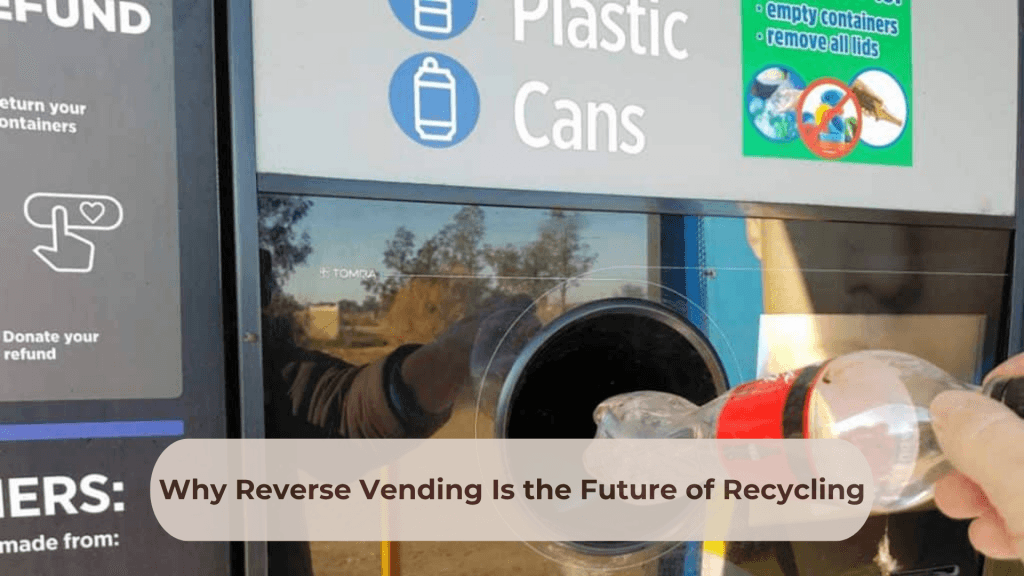
Reverse Vending Machine (RVM) is an automatic collection machine for used containers that can be recycled.
Users put a bottle or can into the machine, and it can be identified and picked up for recycling. The user can then be supplied with a refund or voucher, depending on the system and recycling system.
The idea is especially relevant in the UK considering the upcoming Deposit Return Scheme. The scheme will begin in October 2027 and will cover single-use drinks containers from PET plastic, steel and aluminium for which there is a refundable deposit.
This will make easy return points more critical for retailers and consumers.
Reverse Vending is a System That Could Revolutionise Recycling
1. It Makes Recycling More Convenient
Convenience matters. It is difficult to have an efficient recycling system unless people are provided a convenient method to return their containers.
RVMs can offer automated return points at appropriate retail locations, which enable customers to return containers during a regular shopping trip. Retailers can offer return points either by hand or by using reverse vending machines as long as they meet the requirements and exemptions of the UK DRS.
2. Financial Rewards are Used to Encourage Participation
One of the greatest benefits of a deposit return system is the instant reward.
A deposit is a way to make the empty container more valuable; it’s not just the right thing to do. If returned, the deposit can be returned to the consumer.
This pay-for-recycling system has the potential to make recycling a good habit.
3. Higher Quality Recycling Can Be Achieved With Better Collection
Reverse Vending Machines can separate certain containers from the rest of the household waste, due to their specific designs. This can help to establish a more consistent flow of recyclate.
The UK Government is hoping that the Deposit Return Scheme will stimulate the recycling of containers covered by the scheme, with ambitions of over 90% recycling by the third year of the DRS.
Why the UK Is Moving Towards Reverse Vending
The next DRS seems to be driving the demand for easy-to-use container-return facilities to be even faster.
Retailers will have to get ready to accept the return; consumers will have to get used to returning eligible bottles and cans. Automated reverse vending has the potential to be a cost-effective solution for the large retail outlets and locations with high volumes of returns.
The machines, of course, do not provide a complete solution by themselves. They require dependable maintenance, a collection system, an appropriate site and a recycling system that can accept returned material. However, if these components come together, reverse vending can link consumer behaviour with a more circular packaging solution.
Conclusion
More bins are not the answer to the recycling future. It is a concept of making the right behaviour easier, more convenient and more rewarding.
The concept of reverse vending machines is an amalgamation of all of these. RVMs are set to be a more common sight in the UK in the future, especially with the Deposit Return Scheme launching in 2027.
Investing in the proper vending infrastructure today can help ready businesses for the evolving expectations of customers and a more recycling-oriented future.