



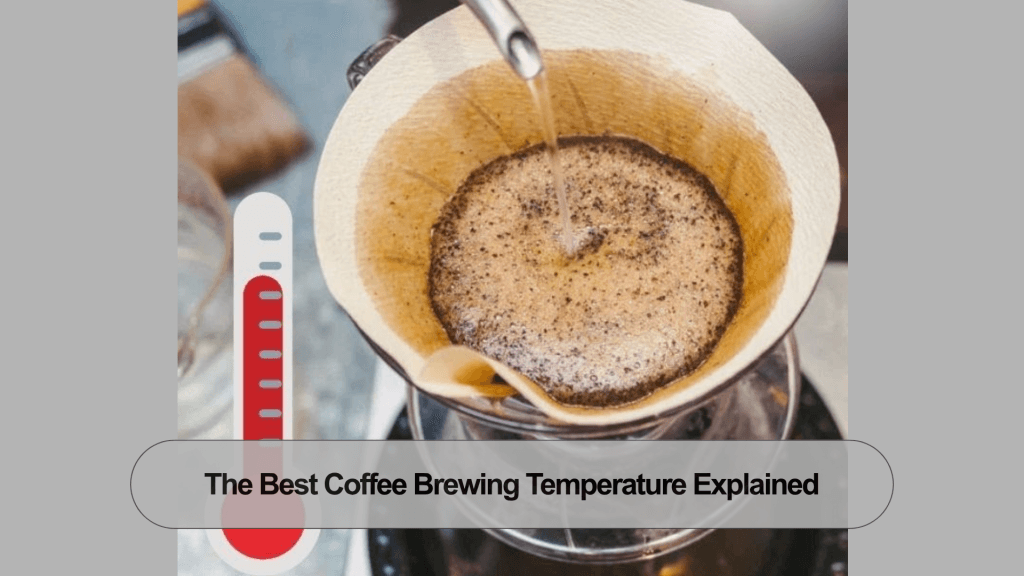
The amount of coffee that makes a batch is significant to its flavour and quality. These hot and cold, dry or strong tastes can be caused by water of the wrong temperature being used to make the drink.
Why Brewing Temperature Matters
Coffee grounds contain flavour compounds that are dissolved in hot water. This will depend upon the temperature of that water. Brewing is then likely to show a difference in aroma, acidity, sweetness, bitterness and body from the different temperatures.
Proper temperature ensures the extraction of desirable flavours while avoiding the extraction of excessive amounts of undesirable flavour compounds.
What is the Best Coffee Brewing Temperature?
The water temperature range of 90°C to 96°C is considered to be effective for most brewed coffees. This will give a good amount of heat to extract flavour without going overboard.
The exact temperature may vary depending on the type of coffee beans, the roast, the brewing method and personal tastes.
What Happens When Water Is Too Hot?
If the temperature is too high, compounds can be removed at a rate faster than intended. This can cause a bitter and sharp or burnt flavour in the cup.
Darker roasted coffees with high temperatures can be more apparent, given that they have more roast and flavours to begin with.
What Happens When Water Is Too Cool?
If the water isn’t hot enough, it cannot extract the coffee flavour enough. This makes the resulting drink go flat, sour, weak or light.
Extracting brew below the correct measurement is often encountered when brewing equipment is unable to keep a constant temperature. Reliability is hence crucial and requires consistent heat throughout the day.
Does Temperature Differ for Espresso?
Espresso machines have a similar, but precisely regulated water temperature, typically between 90°C and 96°C when the espresso is being brewed. Espresso is also prepared under pressure at a relatively fast rate, and consistency is especially important.
Professional machines are designed to have temperature and pressure control to repeat and assist baristas and businesses in producing accurate espresso shots. This is important when making cappuccinos, lattes, flat whites and Americanos.
Why Temperature Control Matters for Businesses
In the case of commercial coffee farming, it can directly influence customer satisfaction. With consistent preparation of brewed coffee, a machine that ensures a stable brew temperature will help the staff deliver a consistent flavour and quality, even during busy times.
Thus, businesses selecting commercial coffee equipment should pay attention to the stability of the equipment that can withstand temperature fluctuations. Standard equipment cleaning and maintenance also play a key role in ensuring that machinery operates properly.
Conclusion
The optimum brewing temperature for this coffee is in the range of 90°C–96°C, depending on the type of coffee and brewing method (see below for specific details). It aids in obtaining higher degrees of extraction, a more balanced flavour, and consistent results through proper temperature control.
At iSpy Group, companies can take a look at coffee machines that can perform like professionals in this section. Visit iSpy Group to find coffee equipment that helps deliver quality and consistency in every cup.