

As workplaces keep focusing on employee wellbeing and how well things work and run, and also more people want good ways to get water, the demand is increasing. A modern commercial water cooler is now a very important thing to have in offices, schools, and factories. However, in 2026, businesses need to know about the total cost to own it and not just the first price, because they have to pay for it over time. Knowing about the pricing trends helps companies plan their money and budgets so they can pick the right system to use for a long time.
Rising Market Trends in 2026
The global water dispenser market is getting bigger and bigger because people care about being clean and staying healthy, and also saving the planet and reaching sustainability goals. Reports show that more people want these water systems in Europe and the UK, especially in offices and big buildings. This growth means new things are being added, like machines you don’t have to touch, and better filters and cooling that save power and energy, but these new things make the price go up.
Upfront Costs of Water Dispensers
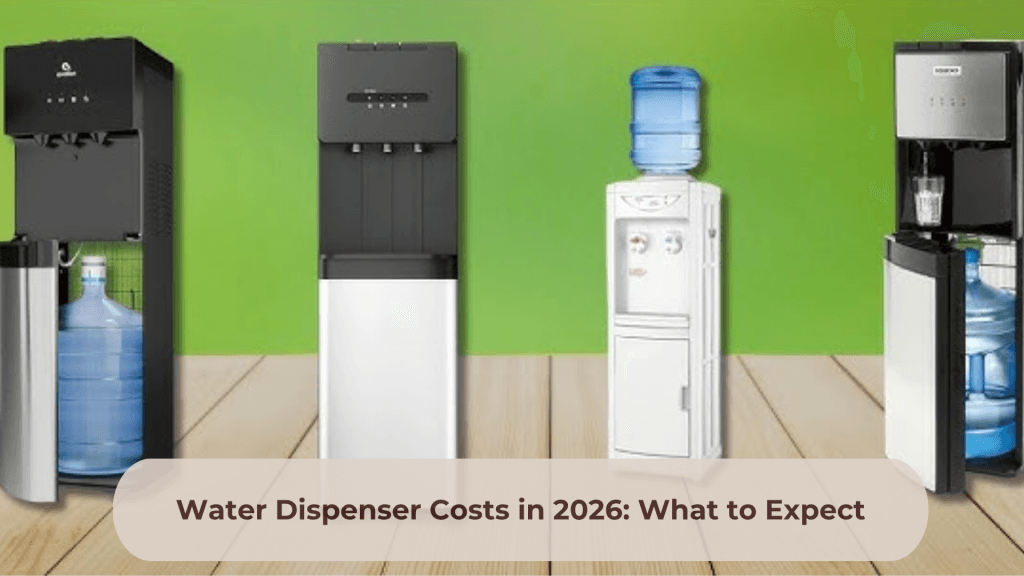
In 2026, the cost of a commercial water system is different depending on what kind of machine it is and what type it is. A basic commercial water cooler dispenser usually costs less to start with, so small businesses like it, but you have to keep buying bottles and managing the deliveries over and over again. On the other hand, the advanced systems like commercial water coolers London cost more to put in, but they are better for the long term because they cost less to run and operate. How hard it is to install the filters and how much water it holds all make the price what it is.
Ongoing Running and Maintenance Costs
One big thing that businesses forget is the cost to keep it running, and also, bottled systems need people to bring water, a place to put the bottles, and someone to change them by hand. These costs happen again and again, and they get very high over time. The mains-fed systems only need the filters changed sometimes, and they cost more at the start, but they save money and are more economical in 12 to 24 months of use. Because the utility costs are going up, businesses are looking for systems that cost less to use for a long time.
Impact of Water Price Increases and Inflation
The water and utility costs in the UK are going up, and they will go up more in 2026 because of pipe repairs and infrastructure, as well as inflation. This hurts businesses that use lots of bottles because gas and shipping costs more, so many companies are moving to mains-fed systems to have costs that stay the same and are predictable.
Hidden Costs to Consider
Besides buying it and putting it in the business, they should think about the hidden costs, like:
- Maintenance and servicing fees
- Filter replacements
- Energy consumption
- Delivery logistics for bottled systems
- Downtime due to breakdowns
These costs are different depending on how much you use it, but they change how much you really pay to own the machine.
Choosing the Right System for Your Business
Picking the right water system depends on how big the office is and how much water people drink, and small offices might like bottles because they are cheaper at first, but big companies like mains-fed systems because they work better and save cash. A good system makes the workers happy and means less work to manage it, so everyone has clean water to drink.
Conclusion
In 2026, the water dispenser costs are affected by new technology and higher bills, and people want things that are green and good for the environment. Even though the first prices are different, the real value is in saving money later and having efficiency. Investing in a good system from iSpy Group makes sure businesses get machines that last and don’t cost too much and work for what people need today.