


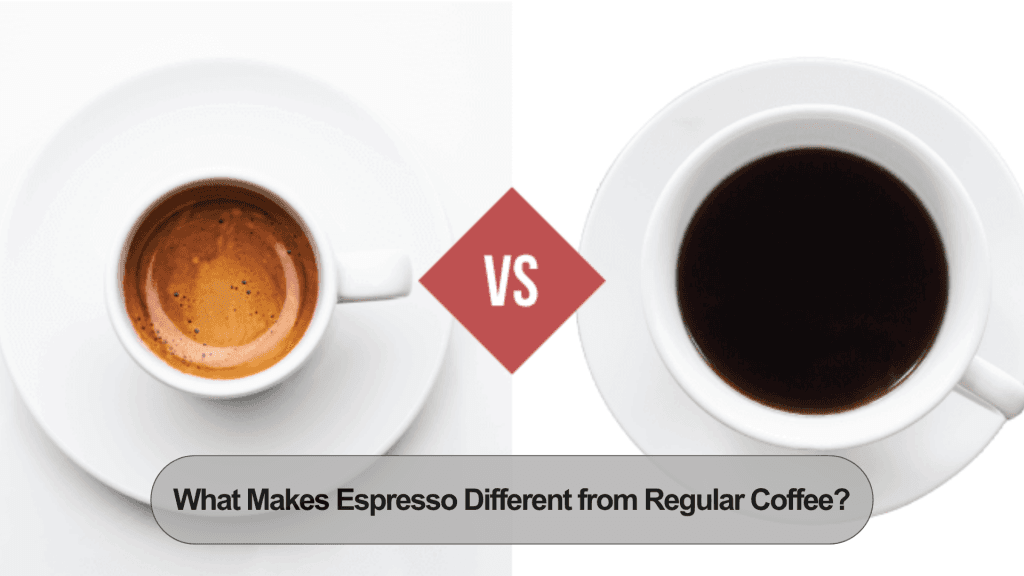
First of all, there are many different types of coffee consumed, but there’s something that is unique about espresso coffee. The process of making espresso, or a normal cup of coffee, involves roasting coffee beans and steeping them with cold water; the difference between the two is how the coffee is made, flavoured and presented. When selecting coffee equipment for your office, café, restaurant, hotel or other service business, it is important to understand these differences.
What Is Espresso?
Espresso is a very strong coffee extracted under pressure from finely ground coffee. It is an expedient brewing method and yields a small and concentrated type of drink, typically with a layer of golden crema.
The brew is also so rich in flavour and composition that espresso is the basis for many coffee drinks. Espresso is used in all cappuccinos, lattes, flat white and Americanos. For owners of cafes with a diverse selection of coffee offerings, espresso is of key importance.
What Is Regular Coffee?
Regular coffee is typically the term used for all types of coffee made by brewing or drip-making it. Hot water slowly filters through the grounds—rather than applying force to the coffee through the grounds to increase the flow rate—before it’s gathered in a pot or cup.
This brewing process yields a bigger cup (generally lighter body and flavour) than any of the others. It can be served in a bigger cup and consumed for a more extended time.
The Difference in Brewing Methods
The main difference between espresso coffee and the usual ground coffee isn’t in the beans themselves, but how the coffee is made. Espresso is made by grinding the coffee, applying pressure and brewing for a short time. The coffee grind is coarser, and the hot water flows more slowly through it when brewed by these methods.
These differences can affect aroma, flavour, texture and so on. Espresso is in general heavier and more concentrated, but coffee is smoother and lighter.
Is Espresso Higher in Caffeine?
It’s often thought that espresso tastes more bitter and is stronger – although not necessarily more caffeinated. Espresso is made with a small amount, so it has a higher caffeine concentration per ml than normal coffee.
A big cup of coffee does, however, have more total caffeine in it as there is a lot more liquid. The type of method of preparation, size and serving of the “drink” also affect the quantity of caffeine present in the beans.
Why Espresso Is Important for Businesses
Espressos are one of the best-known options available on a coffee menu in a coffee shop. Reliable equipment is vital for any business if they want to make consistent espresso in a timely fashion, especially when it’s busy.
Pressure and temperature can be maintained with a professional machine for a reliable extraction of espresso. Today’s coffee makers can also simplify the process for employees to make other drinks efficiently, enabling businesses to speed coffee service to customers without any delays.
Selecting the Best Coffee Maker
The choice of the right coffee machine is influenced by other factors which range from the kind of drinks you would like to provide, the anticipated daily sales, available space, staff skills and budget. If you are considering providing espresso drinks, see if there are espresso machines designed for frequent commercial use; if the office is simpler, then consider automated solutions.
Selecting the right equipment can increase quality, efficiency and the experience of enjoying a cup of coffee.
Find the Right Coffee Solution for Your Business
Seeking the correct commercial coffee machine for your business or café? iSpy Group provides various commercial coffee solutions tailored to fit different requirements of businesses. Discover the various available solutions at iSpy Group and get a machine that is convenient, consistent, and reliable.