


If you’re buying a bag of coffee that’s labelled Fair Trade, you aren’t just looking at a marketing slogan. Fair trade coffee is a way of buying that seeks to help farmers, make working conditions better and promote more responsible practices in the coffee chain.
For businesses, offices and coffee lovers, knowing what Fair Trade is can help in making informed decisions about the coffee you serve and drink.
What is a Fair Trade Coffee?
Fair Trade is an arrangement to provide producers with improved trading conditions and sustainable living. Some of the problems that coffee growers encounter are fluctuating prices, increasing production costs, and unpredictable weather conditions.
The purpose of the Fair Trade standards is to increase stability and promote responsible business practices. These can range from pricing, working conditions, and environmental practices to producer organisations, depending on the type of certification and programme.
The idea is to establish a more empowered chain for farmers and a more transparent chain for consumers around the source of their coffee.
Supporting Coffee Farmers
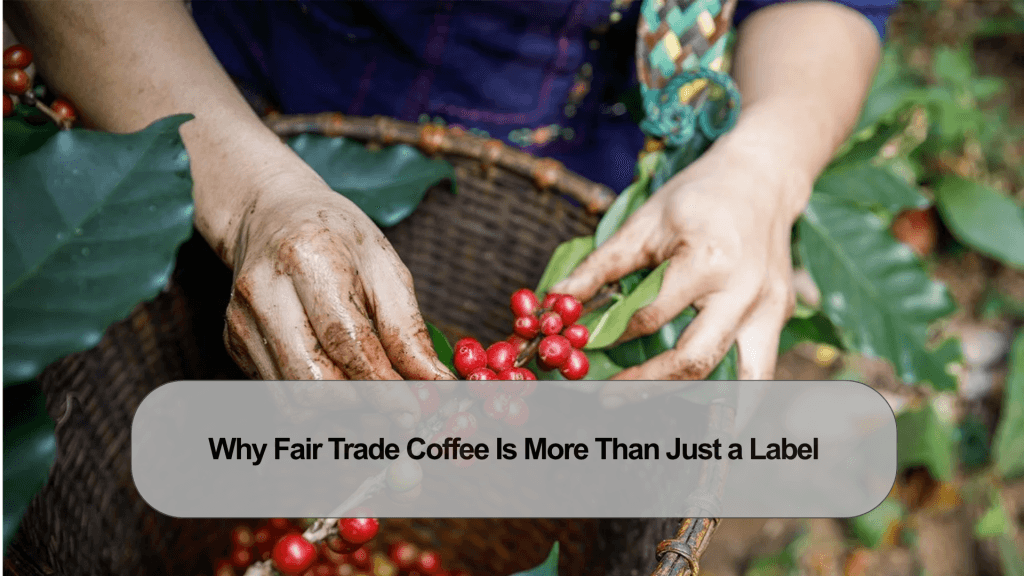
The cultivation, collection and processing of coffee beans rely much on the individuals who cultivate, gather and process the beans. But there are many farmers who find economic conditions difficult.
Fair Trade can offer farmers and producer organisations more reliable trading conditions and, in appropriate cases, a Fair Trade Premium which can be used for community or business projects.
Such investments can help rural education, infrastructure, betterment of farming, provision of basic services and more.
One of the reasons this is Fair Trade coffee is not just about the product after it’s harvested.
Encouraging more Responsible Farming
Another key component of sustainable coffee farming is environmental responsibility.
Soil, water and ecosystems are essential to the functioning of the coffee farm. Fair Trade can promote environmentally-friendly and natural resource-conserving practices.
These practices can involve a decrease in the use of harmful chemicals, better waste management, and protection of biodiversity, among others, depending on the certification and farming operation.
With the challenge of climate change and altered weather patterns in the region, sustainable farming is more critical than ever for coffee growers.
What are the Implications for Businesses?
Companies making coffee available to staff and customers can make more informed purchase decisions.
For a company, when they choose to buy a Fair Trade coffee, they are showing that they value being ethical in their sourcing. It can also provide opportunities for employees to sample quality coffee and have more information about the origin of the coffee.
Depending on the type of coffee machine and format used, in offices, hotels, hospitality companies and other workplaces, Fair Trade coffee can be integrated within their current coffee machine or refreshment program.
Fair Trade does not equal less quality.
One thing people often think is that if a coffee is ethically sourced, it isn’t going to taste as good as the unethical one. In fact, Fair Trade coffee is sold from all over the world, with coffee roasts and taste variations.
However, important factors that still influence the quality of a cup are the beans, roasting, grinding, water quality and brewing technique. The main emphasis of Fair Trade is on conditions and practices related to production and trade.
This means that businesses can take quality and responsible sourcing as a factor for their coffee decision.
Conclusion
Fair Trade coffee is more than just a label on a packet. It links you to the farmers, communities and supply chains of your coffee.
Responsible coffee sourcing helps businesses and consumers to ensure that the correct coffee is being sourced and traded fairly, without compromising on the taste or ease of the drink.